The documented benefits extend beyond theoretical longevity: improved sleep quality and circadian rhythm regulation through pineal gland support, enhanced immune function markers, normalized melatonin production in aging individuals, reduced oxidative stress, improved skin elasticity and appearance, and potential disease prevention through cellular optimization

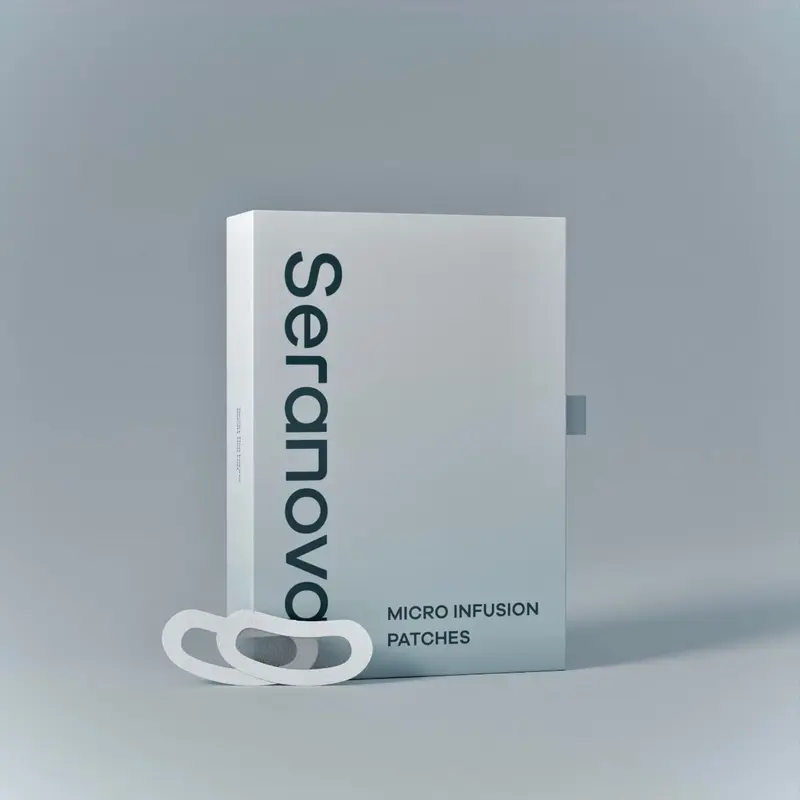
Topical formulations Serum : Most common, 1-3% GHK-Cu concentration Cream : Heavier, good for dry skin, 0.5-2% concentration Patches : Copper peptide patches deliver sustained release, convenient DIY : Some make their own from powder (advanced users) Commercial products : Many skincare brands offer GHK-Cu serums Topical application Frequency : Apply 2x daily (morning and evening) Amount : 2-3 drops serum or pea-sized amount cream Application sites : Face and neck (anti-aging) Under eyes (fine lines, dark circles) Hands (age spots, wrinkles) Any area with skin concerns Process : Cleanse skin Apply to slightly damp skin Pat gently, don't rub aggressively Let absorb (2-3 minutes) Follow with moisturizer if needed Timing : Morning application + evening application for best results Topical vs injectable for skin Topical advantages : Less expensive ($30-60 per month) No injection skill needed Direct application to target area Convenient daily use Injectable advantages : Systemic benefits (not just skin) Higher bioavailability Anti-inflammatory effects throughout body Better for deep skin layers Best approach : Combine both for maximum skin results (topical + 1mg daily injectable) Expected results timeline 4-6 weeks : Improved skin texture, slight glow 8-12 weeks : Reduced fine lines, better firmness 4-6 months : Significant wrinkle reduction, improved elasticity, even tone Long-term : Continued improvement with consistent use Realistic expectations : Not Botox-level immediate results

Growth hormone influences bone density, immune function, skin elasticity, and cognitive clarity
Modifications can be carried out at any position in the peptide chain, and commonly used modifiers include cyclic amino acids, carbohydrate reagents, etc