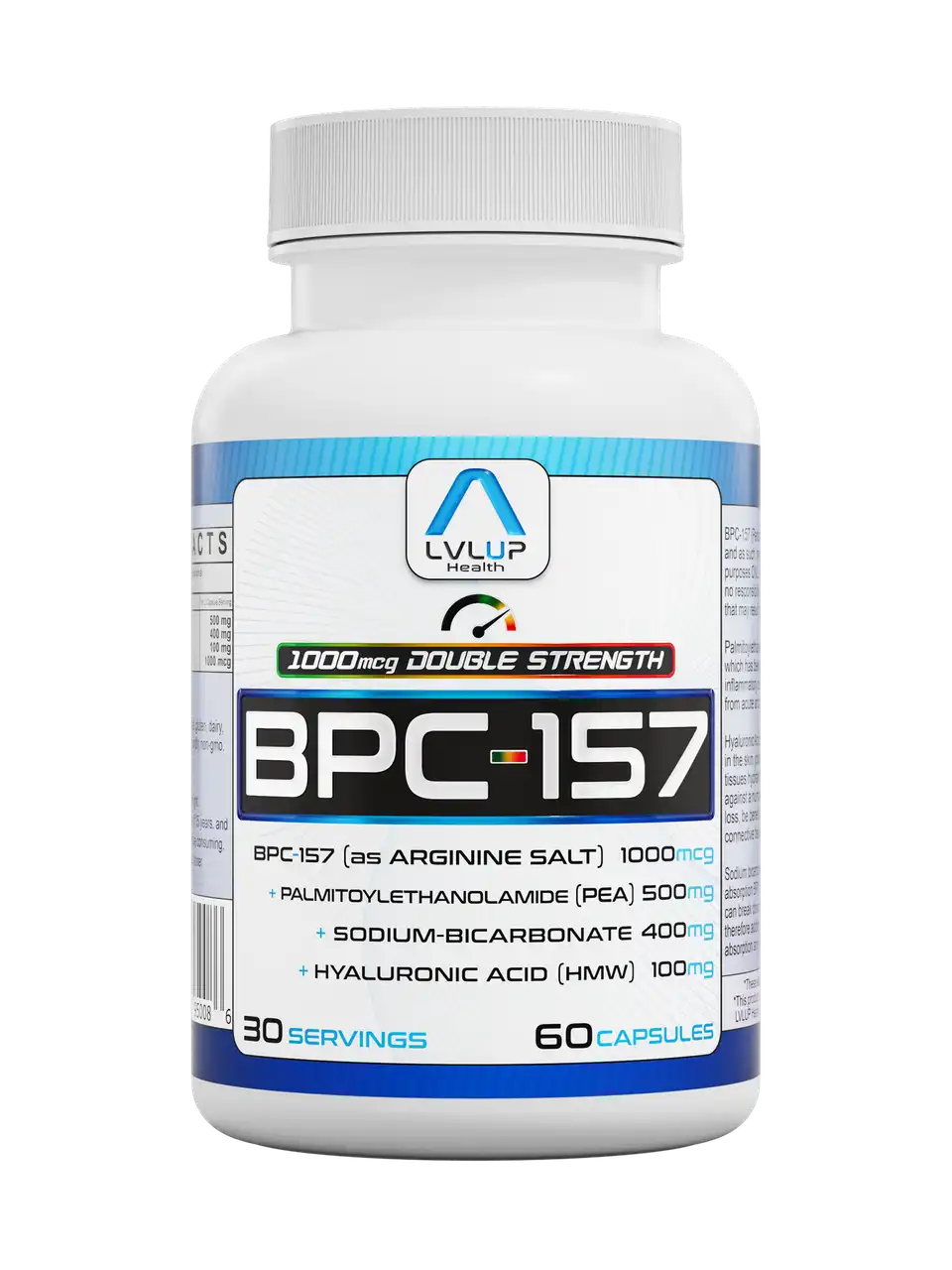
Product Highlights 10 mL sterile pharmaceutical-grade nasal spray ~100 sprays per bottle Each spray delivers 0.1 mL 100 mcg total peptide ~50 mcg BPC-157 ~50 mcg TB-500 Total peptide content: 10 mg (5 mg BPC-157 + 5 mg TB-500) Optimized isotonic nasal vehicle for smooth absorption Designed to avoid irritation, dryness, or burning sensation Filled in Class A, lead-free pharmaceutical glass Child-resistant / tamper-proof cap + orifice reducer Preservative-free, high-purity research formulation Benefits Studied for accelerated soft-tissue and cellular repair Explored for tendon, ligament, and muscular healing pathways Research interest in angiogenesis and microcirculation improvement Cytoprotective effects in inflammatory models Potential synergy between BPC-157 + TB-500 in recovery studies Interest in gut, connective-tissue, and neurological resilience Localized Nasal Delivery Effects Rapid mucosal uptake Faster systemic availability in research models Avoids the need for injection-based delivery Smooth, non-irritating isotonic formulation What Researchers Use It For Anti-inflammatory & cytoprotective signaling Angiogenesis and vascular repair modeling Tissue recovery under strain, injury, or oxidative stress Synergistic peptide activity between BPC-157 & TB-500 Regenerative peptide research involving ECM remodeling Identity & Specs BPC-157 (5 mg) Sequence: Gly-Glu-Pro-Pro-Pro-Gly-Lys-Pro-Ala-Asp-Asp-Ala-Gly-Leu-Val Formula / M.W.: C62H98N16O22 ~1419.5 g/mol CAS: 137525-51-0 TB-500 (5 mg) (Thymosin Beta-4 fragment) Sequence: Ac-Ser-Asp-Lys-Pro-Asp-Met-Ala-Glu-Ile-Glu-Lys-Phe-Thr-Glu-Glu-Ala-Gln-Gly-Gln-Ala-Gln Formula / M.W.: ~4963 g/mol (varies by analog fragment form) CAS: N/A (fragment analog) General Specs Form: Sterile nasal spray solution Net per vial: 10 mL (~100 sprays) Total Content: 5 mg BPC-157 + 5 mg TB-500 Purity: 99% (HPLC) Identity: MS-verified (per COA) Storage: Refrigerate 28 C, protect from light Selected Research BPC-157 TB-500 / Thymosin Beta-4 Fragment Disclaimer This product is intended for laboratory research use only

Lets talk about GLP-1
The strongest SNAC evidence comes from a formulation in which absorption occurred in the stomach , close to the tablet as it eroded
GHK-Cu and Active Radicals Photodamage of tissues such as the skin involves the formation of reactive oxygen species (ROS), reactive nitrogen species (RNS), and reactive carbonyl species (RCS), which may induce damage to proteins, DNA, and lipids